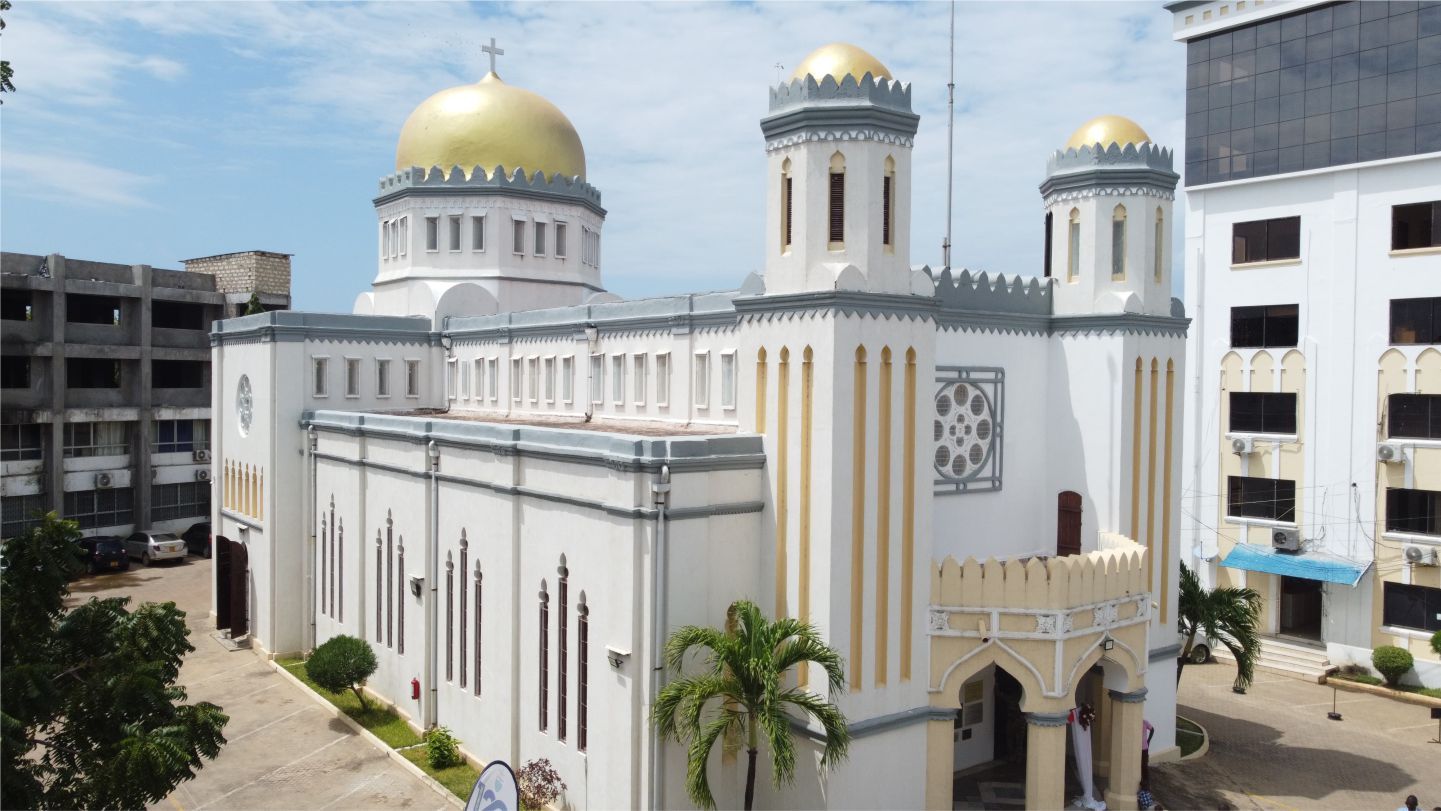
The Mombasa Memorial Cathedral of St. John the Baptist is an Anglican church dating from British colonial times. It was designed to blend in with the local architecture, so it resembles the city's many mosques, with white arches and a silver-coloured dome.
Missionaries had been sent to East Africa by the Church Missionary Society since 1844. In 1884 the missions were brought together in the Diocese of Equatorial East Africa under its founding Bishop, James Hannington. He was martyred, and his successor Henry Parker died of malaria on a missionary journey, all within five years.
The third Bishop, Alfred Tucker, consolidated the work and became the first Bishop of the new Diocese of Uganda. This led to the creation of the Diocese of Mombasa in 1898, covering what is now Kenya, north-west Tanzania and a small part of Uganda.
The founding missionary Bishop, Dr. William Peel, was a brilliant visionary and administrator. In his consecration sermon in 1899 he said: “Our first priority will be to build our Cathedral. It will be a Powerhouse of Prayer and an Anchor for the Diocese in times of challenge.” Bishop Peel found a willing partner in Sir Charles Eliot, Governor of the Protectorate, and together they brought Sinclair's unique design to life.
Look out for the small wall plaques showing the Diocesan Coat of Arms. Each gives points of interest, some surprises and a few mysteries! Start in the North Aisle, on your left as you enter through the West Doors.
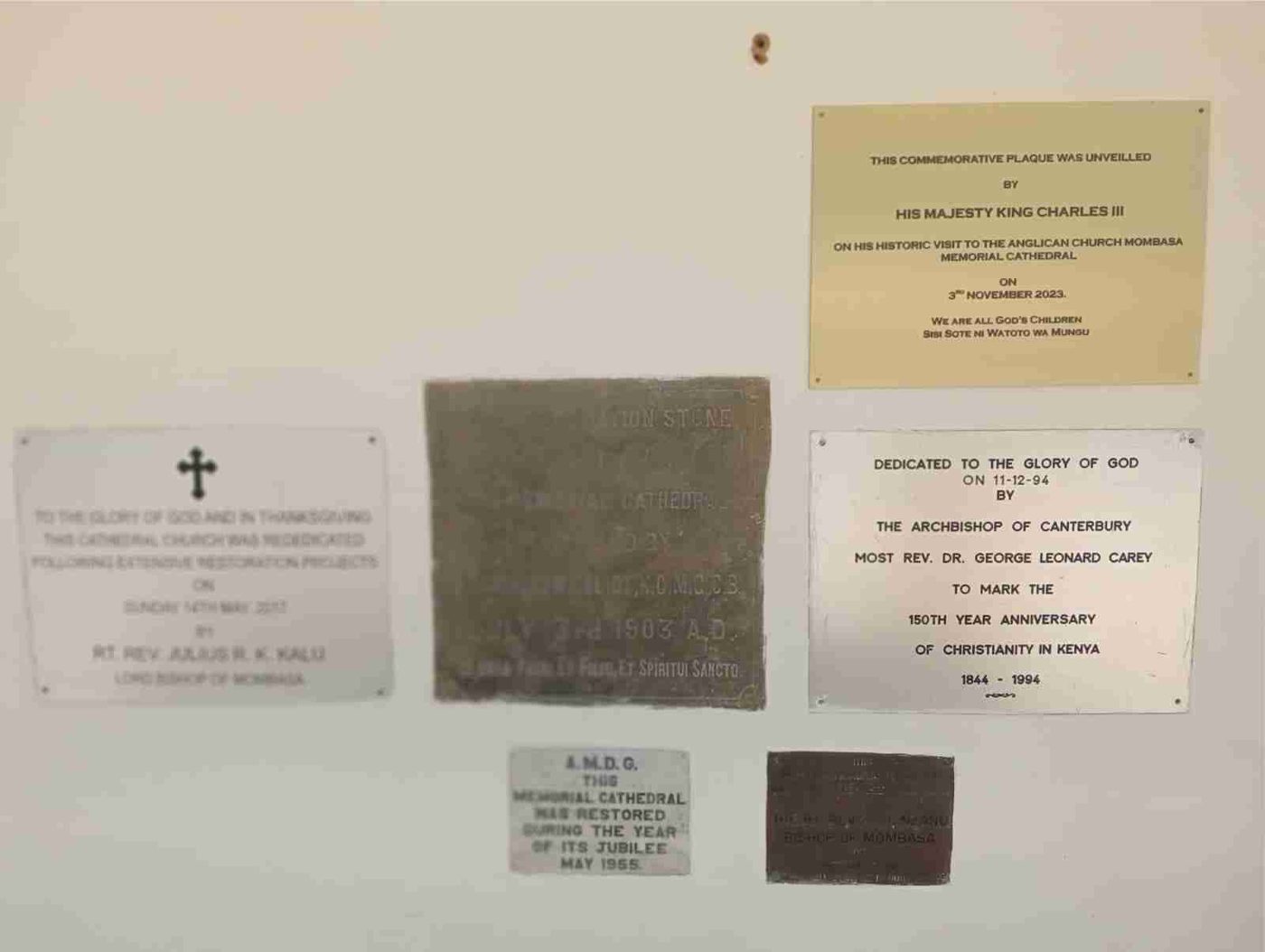
Home to the Foundation Stone, belatedly laid in July 1903. The porch was the last part of the Cathedral to be built, begun only after the bell frame arrived from England and was hoisted into the North West Tower.
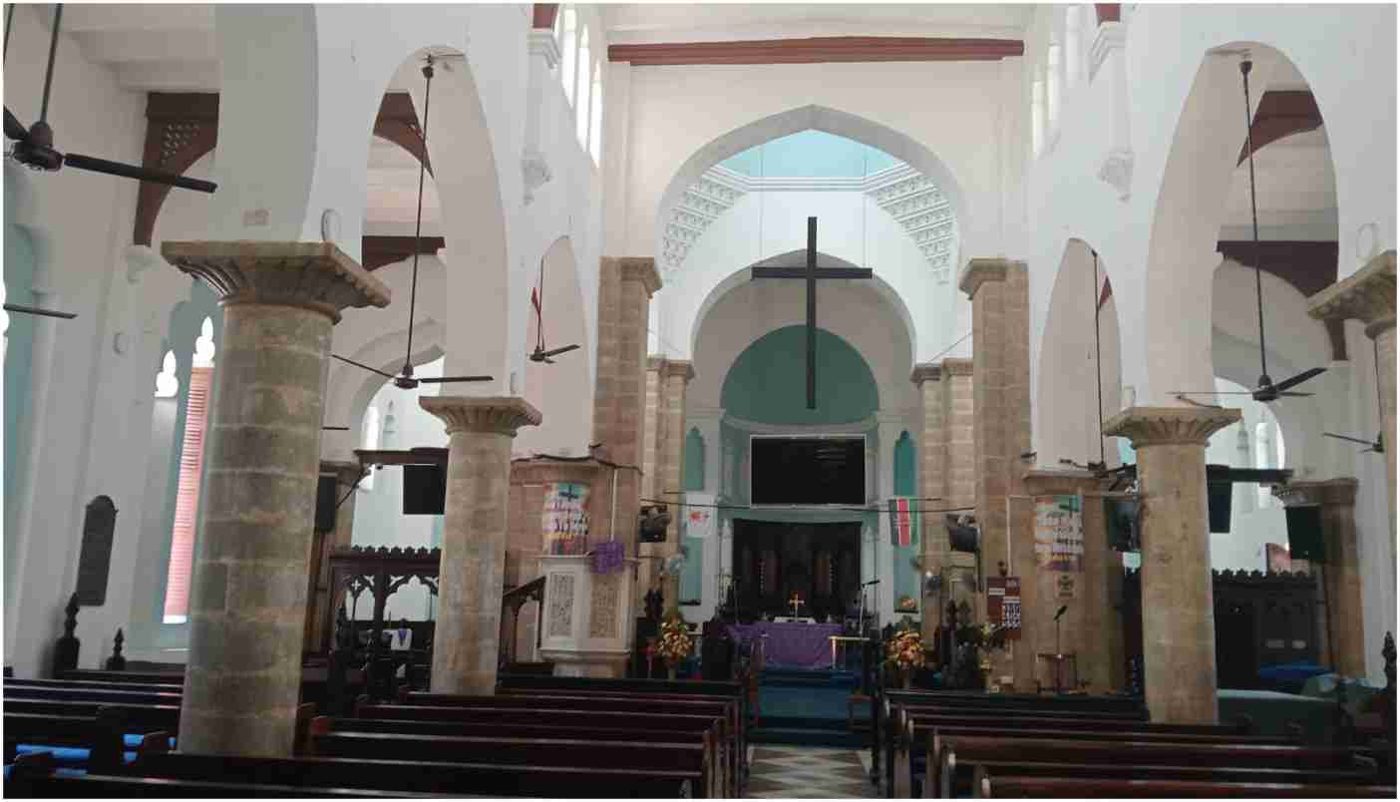
The main body of the building, the People's Church. Romanesque pillars carry Swahili arches, and the roof of concave concrete slabs, a coastal feature, gives the Cathedral world-class acoustics.
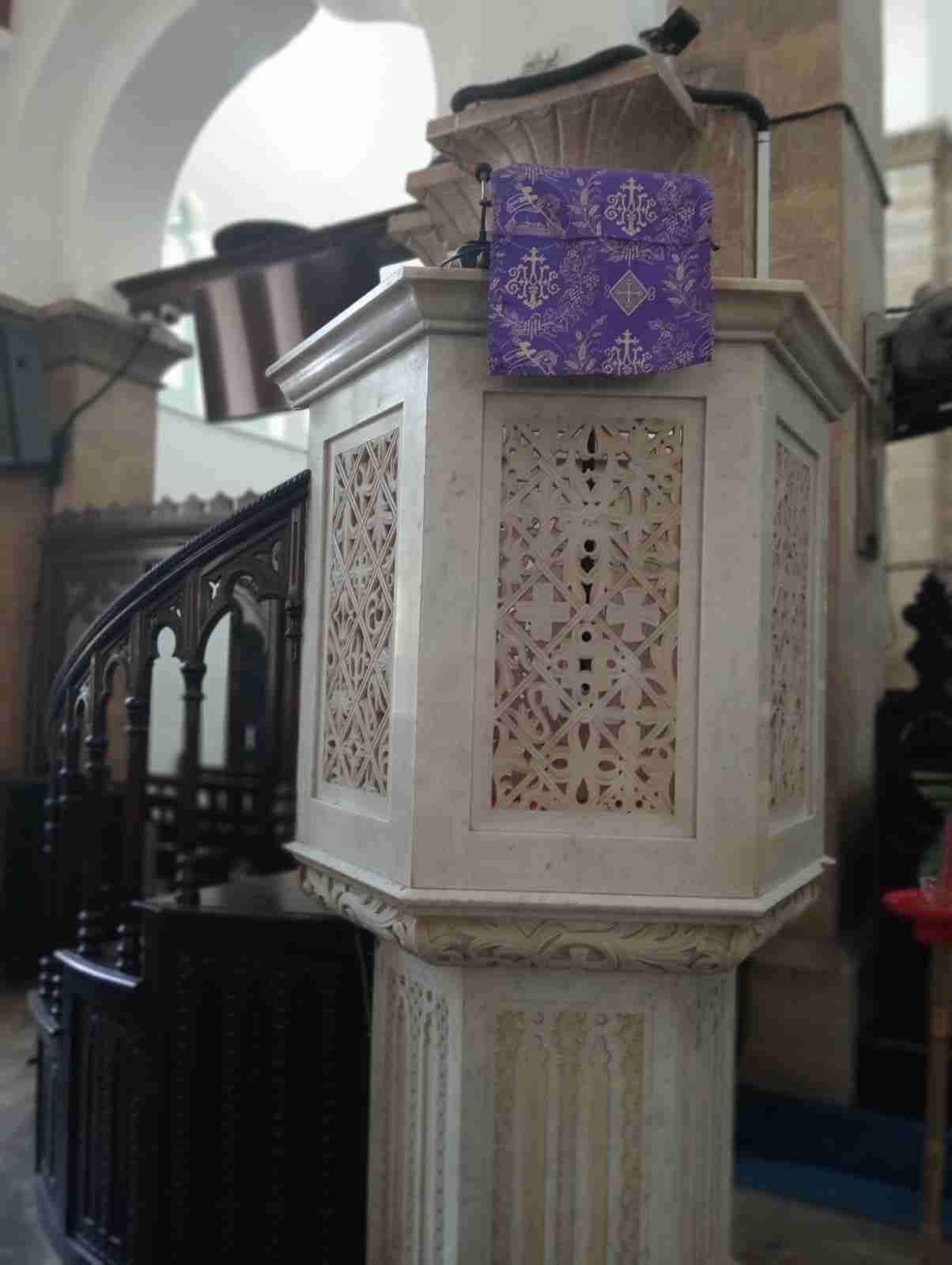
The screen is one half of a larger screen from Milton Abbey, Dorset, England. The little Lady Chapel has some special features, and a mystery!
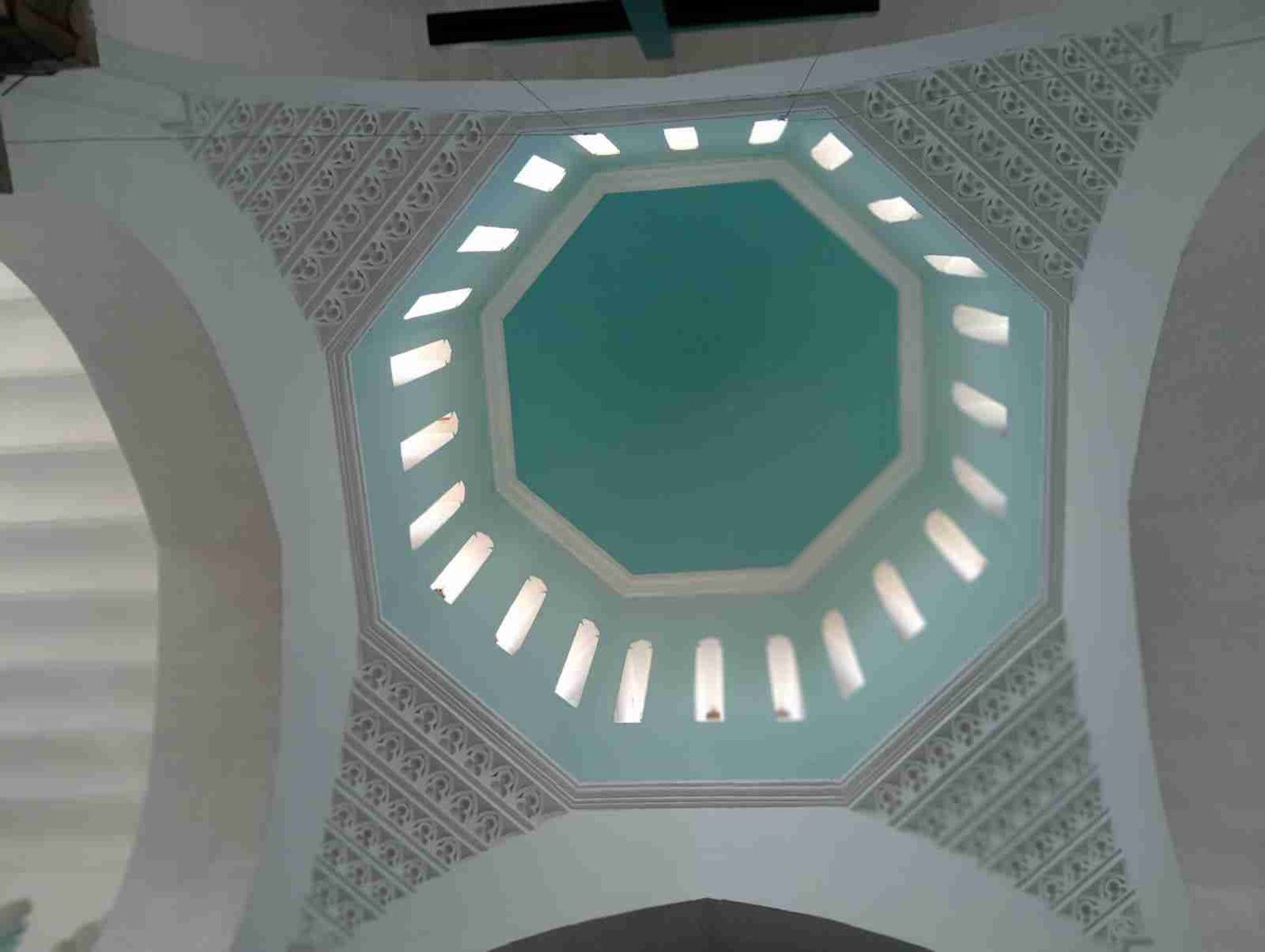
The magnificent centrepiece, dedicated to the memory of the first, martyred Bishop of Equatorial East Africa, James Hannington. How many angels can you count below the Octagon?
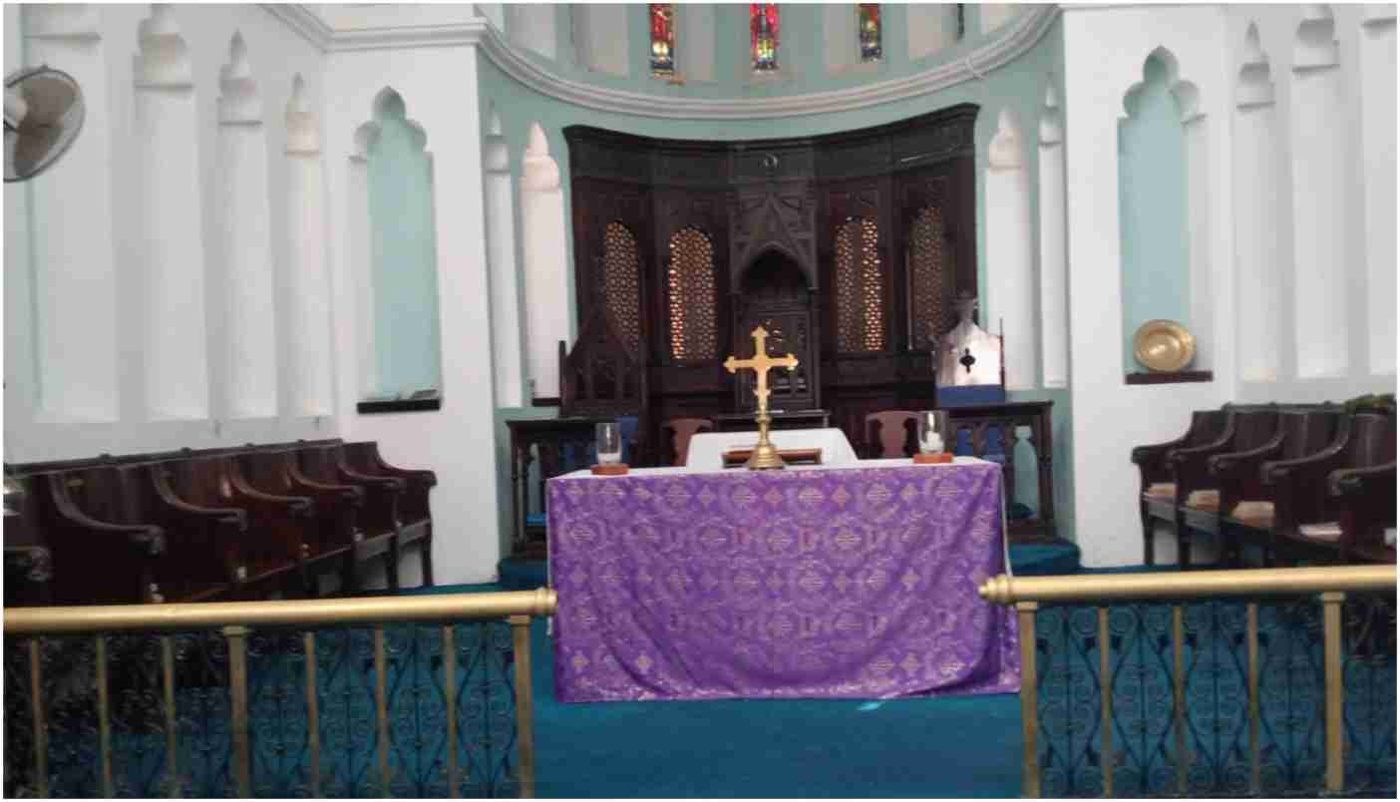
The rails honour Bishop Alfred Tucker, a famous landscape painter and Royal Academician before his ordination. The stained glass in the Apse comes from St. James the Great, Barton, Bristol.
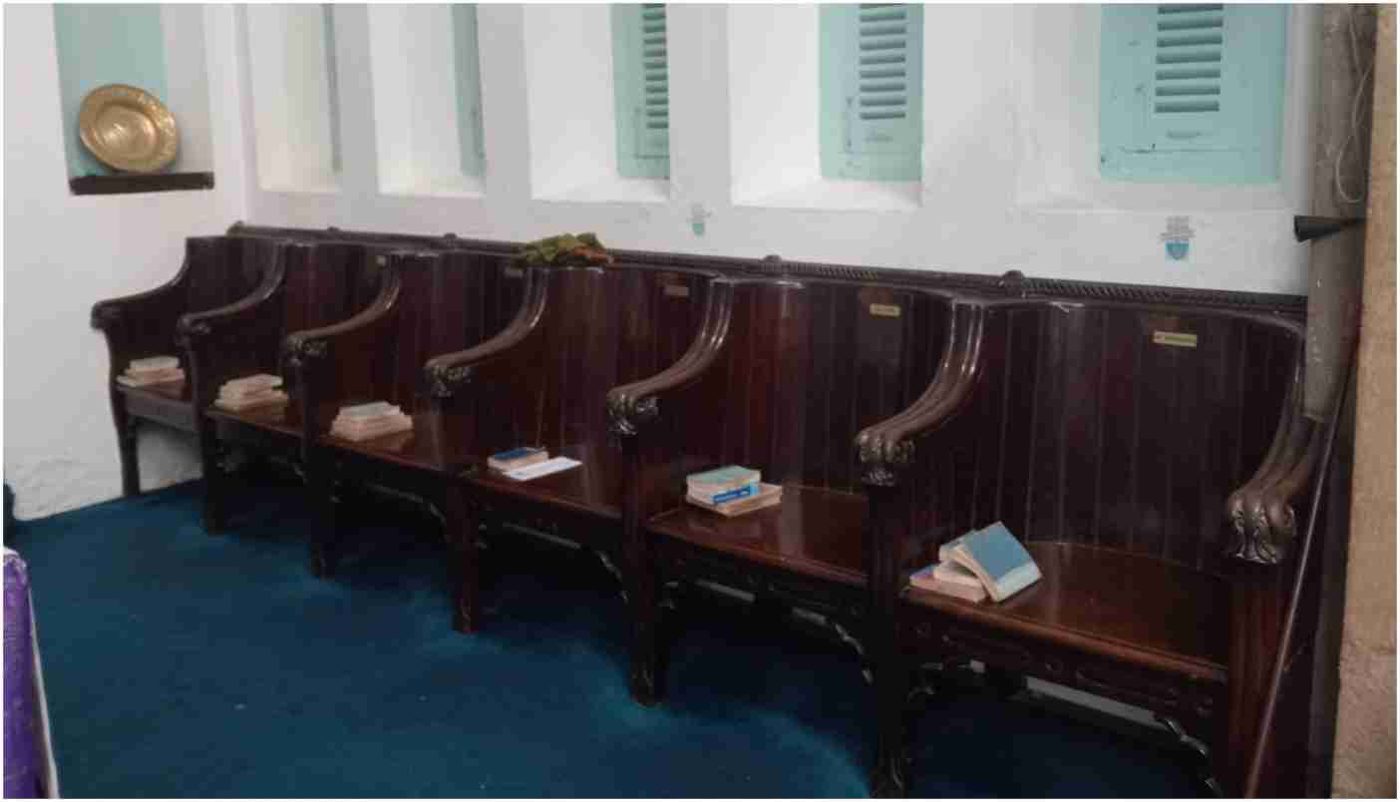
The rear stalls date from 1662 and come from Milton Abbey, a gift of the Hambro family. The reading desks and front stalls were placed in 1920 in memory of Bishop William Peel.
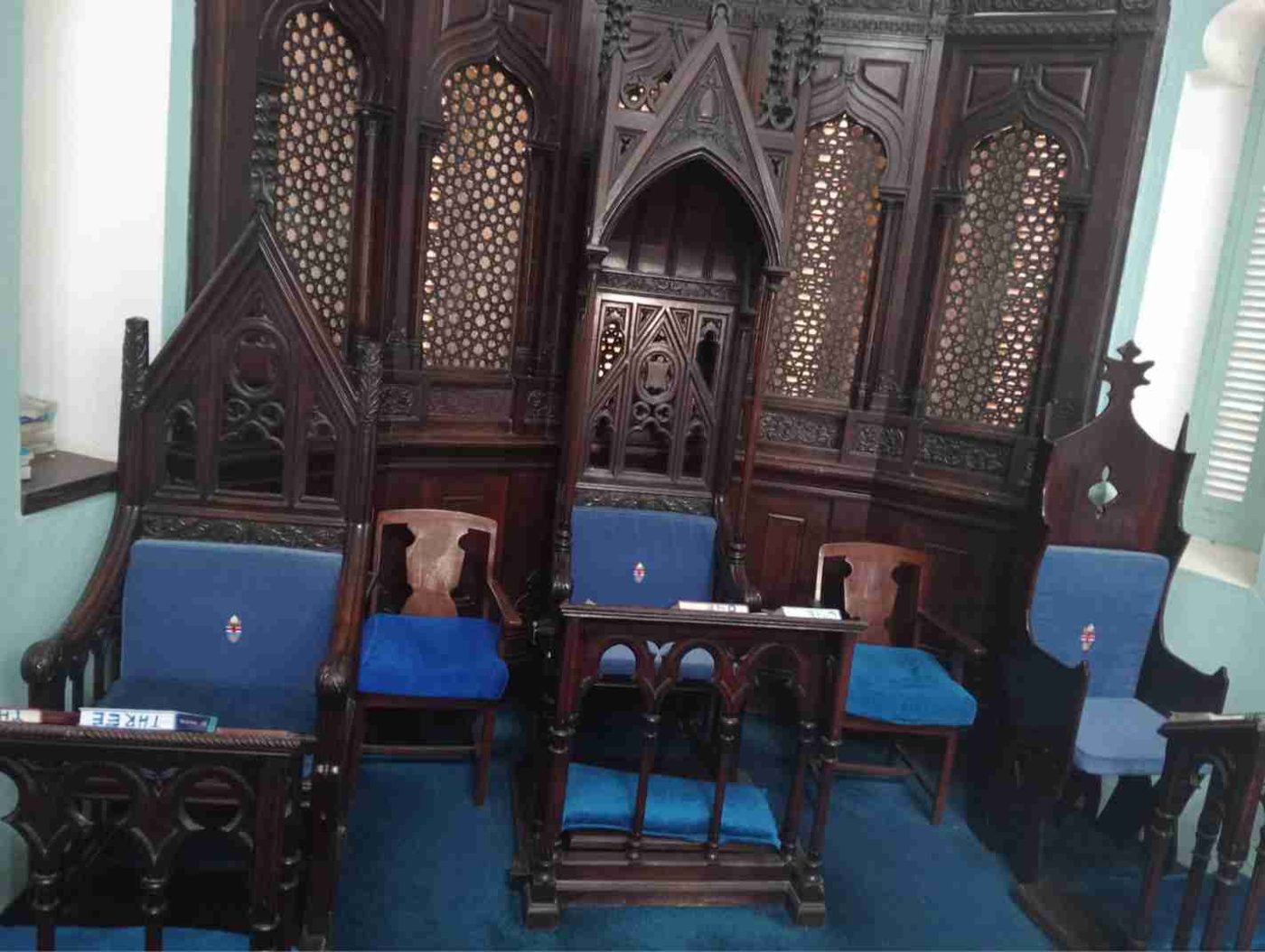
The Seat of the Diocesan Bishop, built in 1903 at the request of the Archbishop of Canterbury. Beside it stands the simple Hannington Chair-Throne, made from mvule wood in Frere Town in 1884.
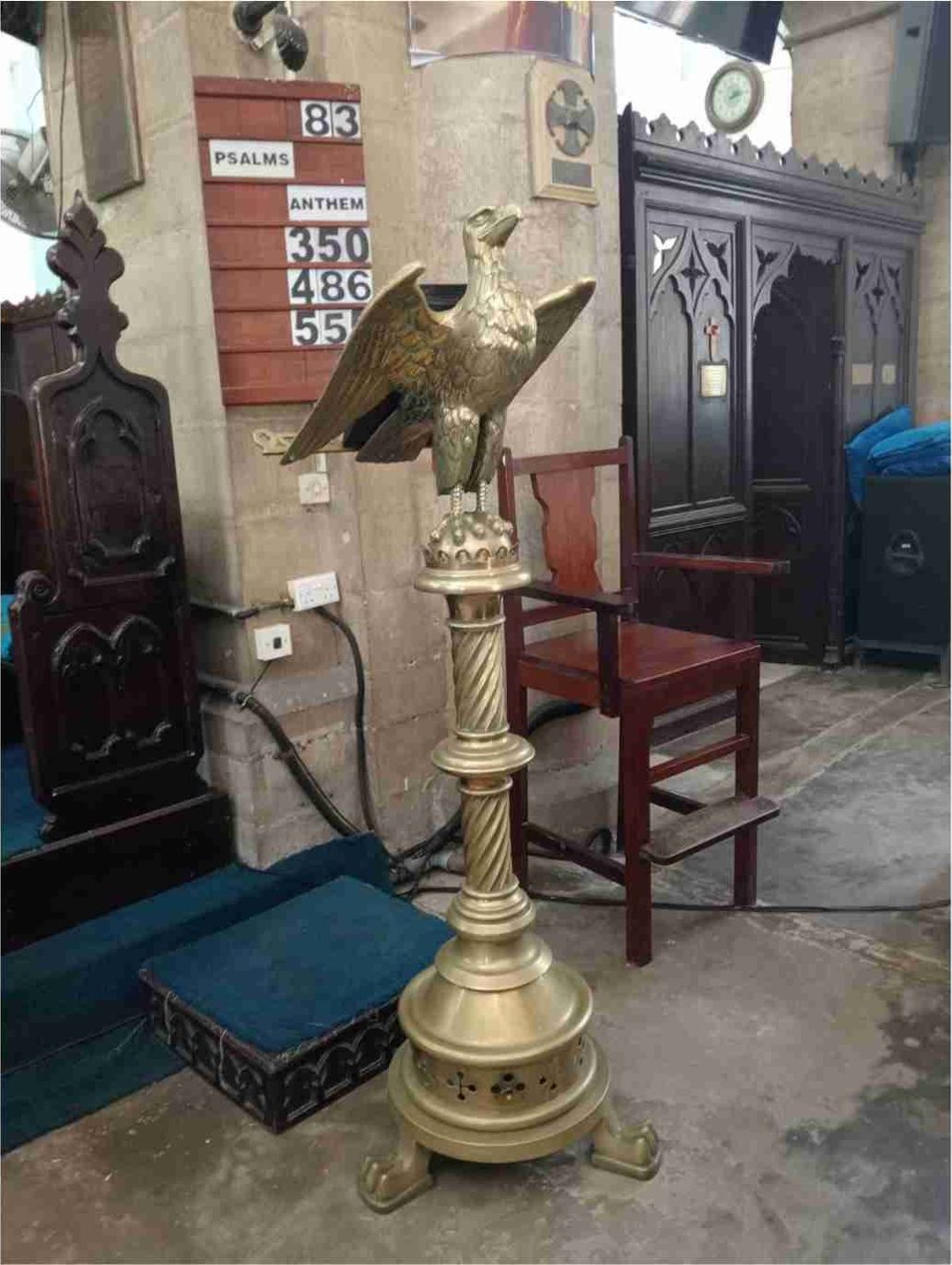
A fine example of late Victorian brass craftsmanship, made in 1903 by J. Wippell & Co. of Exeter and London. Built in ten pieces, it weighs 80 kg.
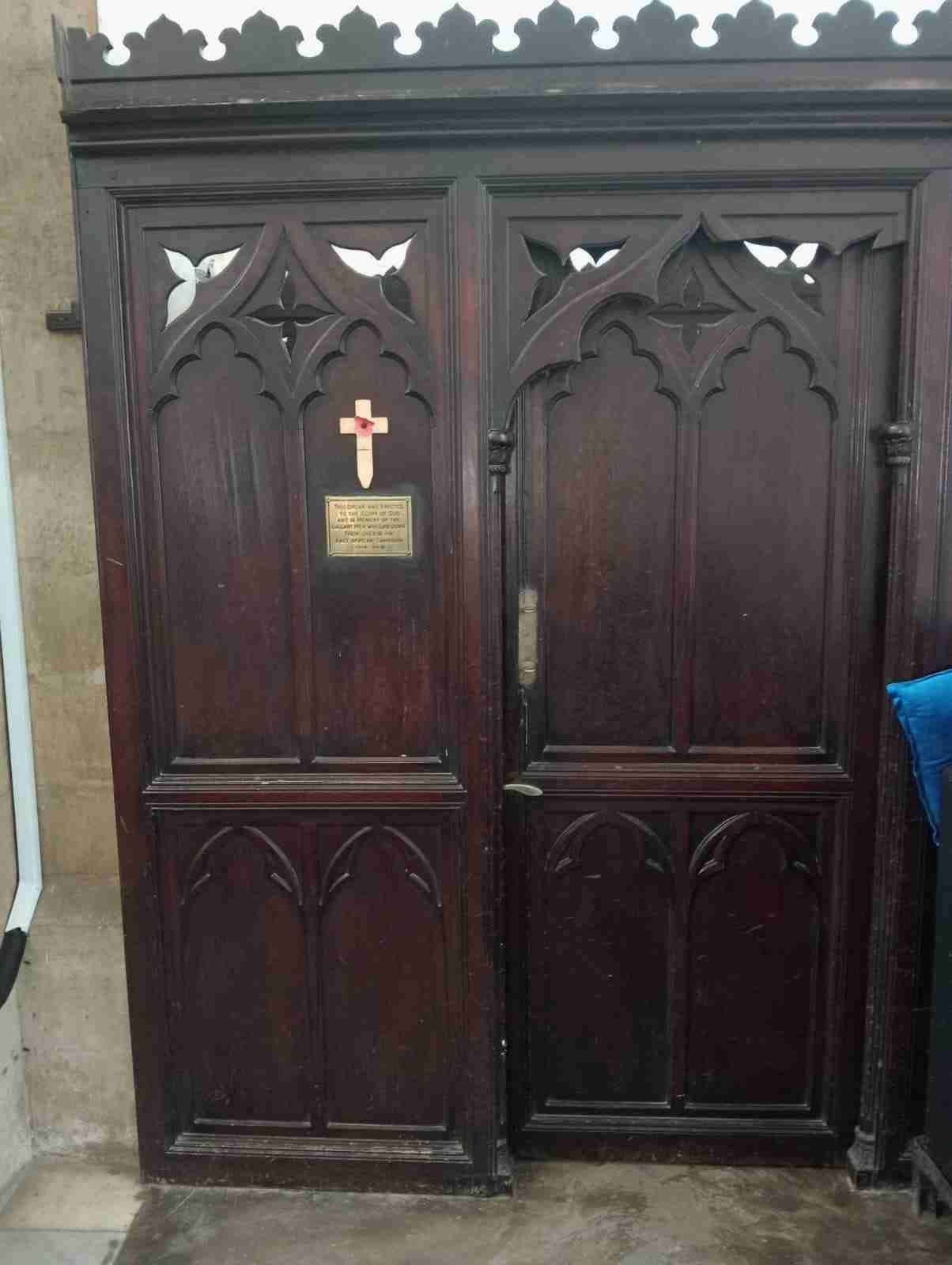
Several memorial plaques are found here, including one for the Pipe Organ bought in memory of those who died in the East Africa Campaign of World War I.
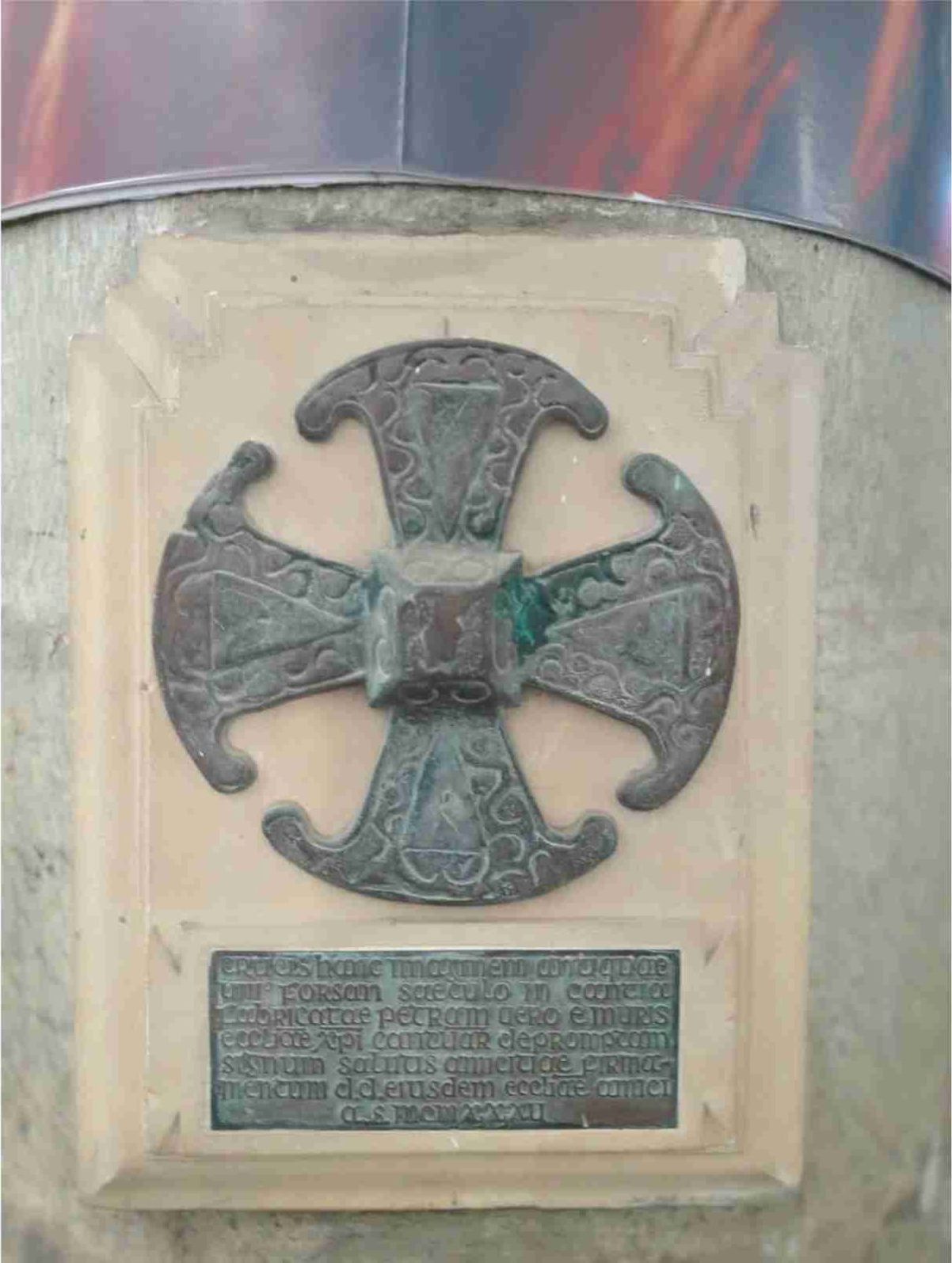
Given in 1935 for the 30th anniversary of the Cathedral's consecration: an ancient Jerusalem Cross set in stone from the early 9th-century walls of Canterbury Cathedral.
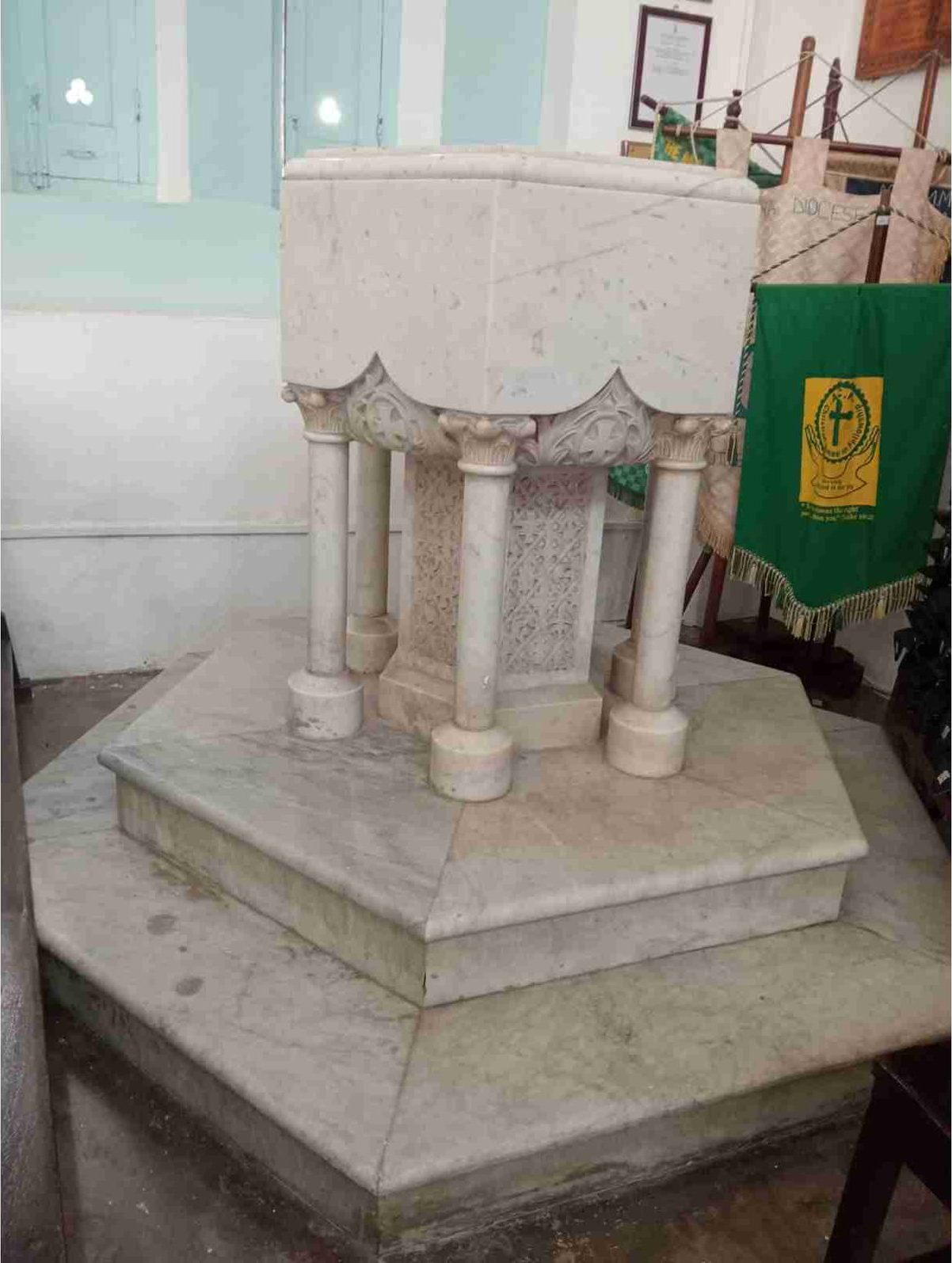
The font is built in three sections of Carrara marble from north-west Italy.
Because the Cathedral bells arrived late at the Port of Mombasa, the porch was finished just four days before the topping-off ceremony. The two youngest engineers “volunteered” to climb the dome and fix the great wooden cross, which stayed in place for 111 years until a new cross replaced it in 2015.