Our faith is rooted in the historical and apostolic tradition of the Church: grounded in Holy Scripture, affirmed by the early Church Fathers, expressed in the Creeds, and preserved in the worship and teaching of our communion.
We believe that the Holy Scriptures of the Old and New Testaments are:
Through the Scriptures, God reveals His nature, His will and His redemptive plan for humanity. They remain the foundation of our teaching, worship and daily living.
We honour the witness of the early Church as a secondary, yet vital, source for understanding the faith:
We uphold the historic standards that bear authoritative witness to the Christian faith:
A fuller understanding of the faith is found in our modern services through the revised Catechism.
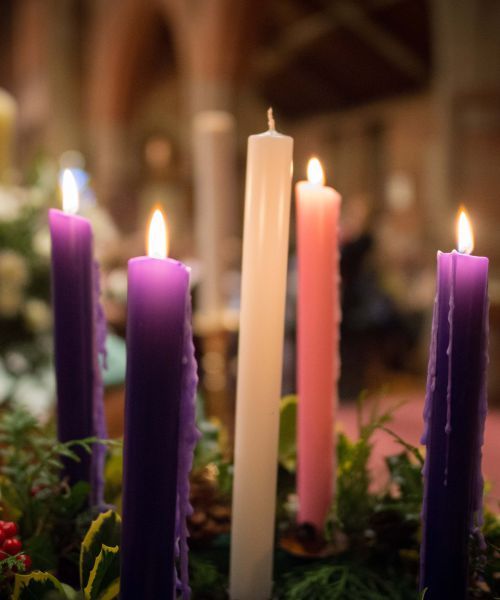
Advent marks the beginning of the Church year. It is a time for reflection in darkness, for renewal of hope and for movement towards a new beginning.
As it first emerged in the Church in the fourth and fifth centuries, Advent lasted, like Lent, for 40 days. Later tradition gave us the Advent we know today: the four Sundays before Christmas Day.
It is a season of expectation and preparation as the Church gets ready to celebrate the coming of Christ. Church decorations are simple and sparse, and purple is the traditional colour. Advent falls at the darkest time of the year, and the natural symbols of darkness and light are powerfully at work throughout Advent and Christmas.
Lord Jesus, Light of light, you have come among us. Help us who live by your light to shine as lights in your world. Glory to God in the highest. Amen.
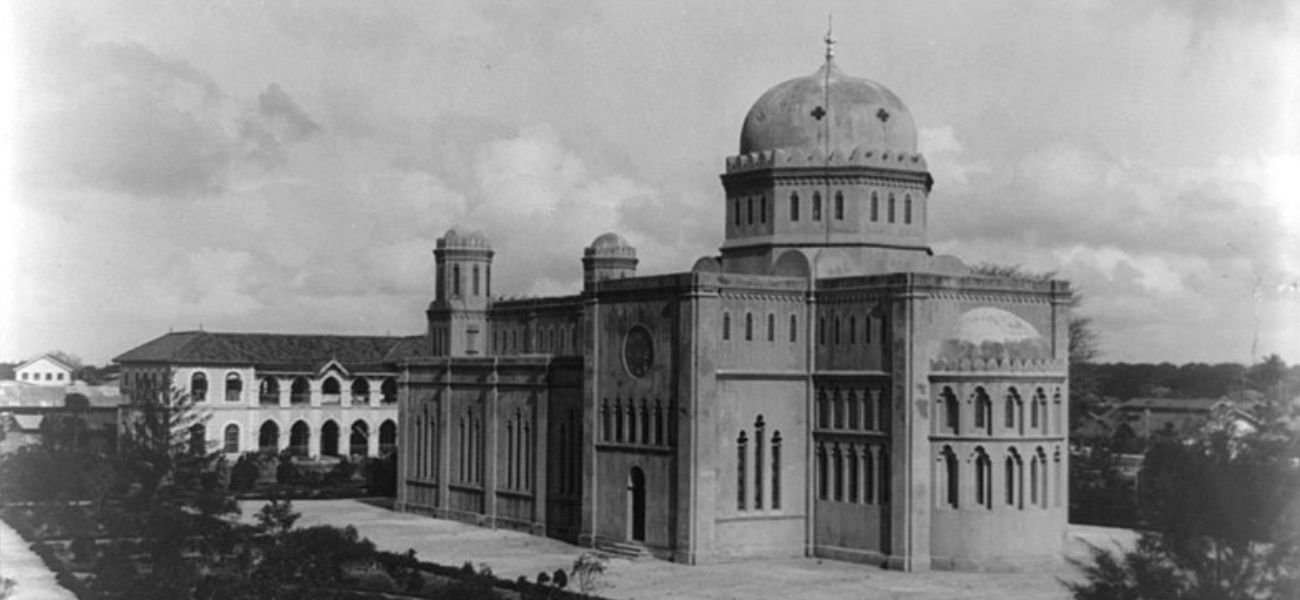
At Christmas we celebrate the mystery of God coming to live among us as one of us in the person of Jesus, son of Mary, the Saviour promised by the prophets of the Old Testament.
This great feast has inspired many joyful customs: carols, cribs, decorations and special foods, shared by millions across the world. But there is more than tinsel and trees. There is amazement, wonder and joy: angels filling the night sky with song, astounded shepherds whose expectations are turned upside down, a shining star and the birth of a child who brings hope and possibility.
The readings for Christmas Day, including the prologue to John's Gospel, invite us to look beyond the joy of Jesus' birth to the significance of His life and the saving power of His death and resurrection.
The season lasts twelve days, ending with the Feast of the Epiphany on 6 January, when we recall how Jesus was revealed to the wider world through the visit of the Magi.
Holy Jesus, by being born one of us, and lying humbly in a manger, you show us how much God loves the world. Let the light of your love always shine in our hearts, until we reach our home in heaven, and see you on your throne of glory. Amen.
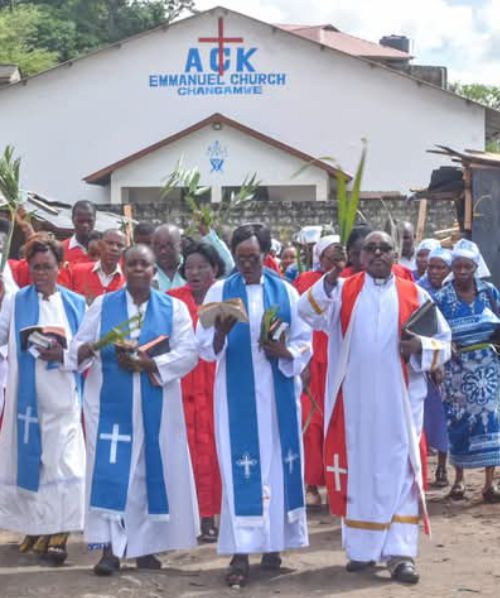
The season of Lent lasts forty days, not counting Sundays. Christians reflect and prepare for Easter. Some fast, eat simply or give up treats, following the example of Jesus who fasted forty days in the wilderness. Others give to charity, set aside time for Bible study and meet with fellow believers.
Ash Wednesday is the first day of Lent. Ashes from palm crosses are blessed and used to mark a cross on the forehead, a custom dating back to the Middle Ages. The services set the tone for Lent with sombre readings and a focus on penitence.
Holy Week begins on Palm Sunday and ends on Easter Day:
Jesus arrives in Jerusalem to crowds waving palm branches and shouting “Hosanna! Blessed is the one who comes in the name of the Lord” (John 12:12–13).
We remember the Last Supper. “Maundy” comes from the Latin mandatum, command: “Love one another as I have loved you.” Jesus washed His disciples' feet as an example of service.
A sombre day when we remember the crucifixion and pray and reflect on the sacrifice Jesus willingly made for our sins (John 3:16).
On the third day the tomb was found empty. He is risen! Life triumphs over death, and churches across the ACK celebrate with joy.
Easter Day begins fifty days of celebrating the resurrection, including Ascension Day, and ends at Pentecost.
The Day of Pentecost comes fifty days after Easter Day and brings the Easter season to a close. It is a major feast when we recall how God's Holy Spirit was given to the disciples after Jesus' ascension, empowering them to make disciples of all nations.
Jesus had promised His followers that, although they would not see Him after His ascension, they would receive the Holy Spirit to guide and inspire them. The Acts of the Apostles tells how crowds in Jerusalem, from many nations and languages, each heard the disciples preaching in their own tongue.
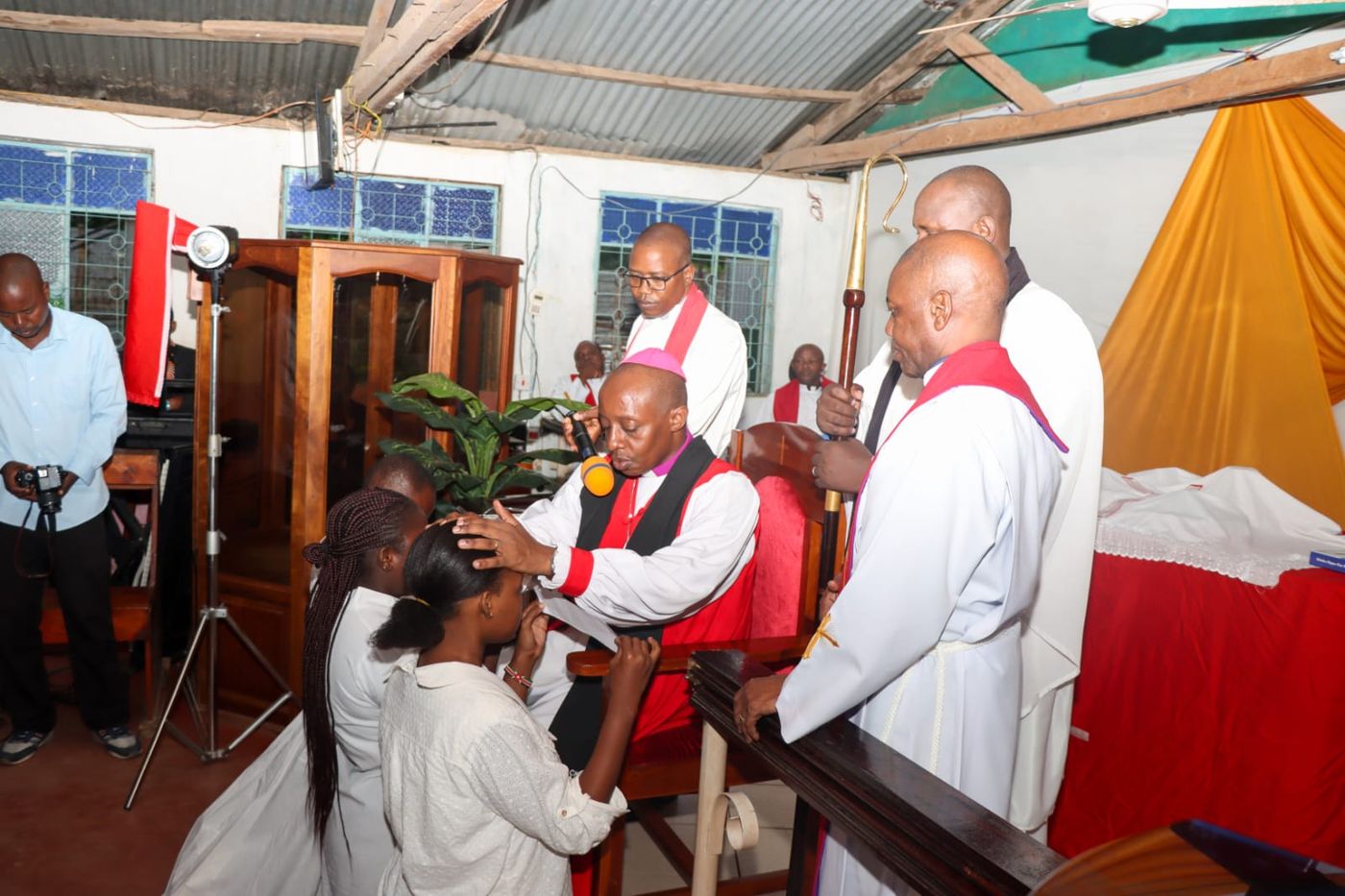
The colour of Pentecost is red, for the tongues of fire that rested on the disciples. With its focus on the Spirit poured out on believers, Pentecost is one of the most popular days in the year for baptisms and confirmations.
A sacrament is the use of material things as signs and pledges of God's grace, and as the means by which we receive His gifts. Every sacrament has two parts:
Christ in the Gospel has appointed two sacraments for His Church, as needed for fullness of life:
New birth into the family of God through water and the Spirit.
The Lord's Supper, in which we share the bread and the cup.
The sacramental ministries of grace are:
The Lord's Prayer is the prayer Jesus taught His disciples when they asked Him how they should pray. Most Christians know it by heart in their own language, and it is used by every Christian tradition. It has a place in every Anglican act of worship and gives us a pattern for prayer:
The text appears in two slightly different forms in the New Testament (Matthew 6:9–13 and Luke 11:1–4). The version we use was adapted by the early Christian communities and taught to new converts. The closing sentence giving glory to God, the doxology, is not part of the New Testament text but was added very early on.
God is approachable. Prayer is something anyone can do. You don't need complicated words or flowery language; God isn't swayed by argument, length or skill in prayer.
Our Father in heaven,
hallowed be your name,
your kingdom come,
your will be done,
on earth as in heaven.
Give us today our daily bread.
Forgive us our sins
as we forgive those who sin against us.
Lead us not into temptation
but deliver us from evil.
For the kingdom, the power,
and the glory are yours
now and for ever. Amen.