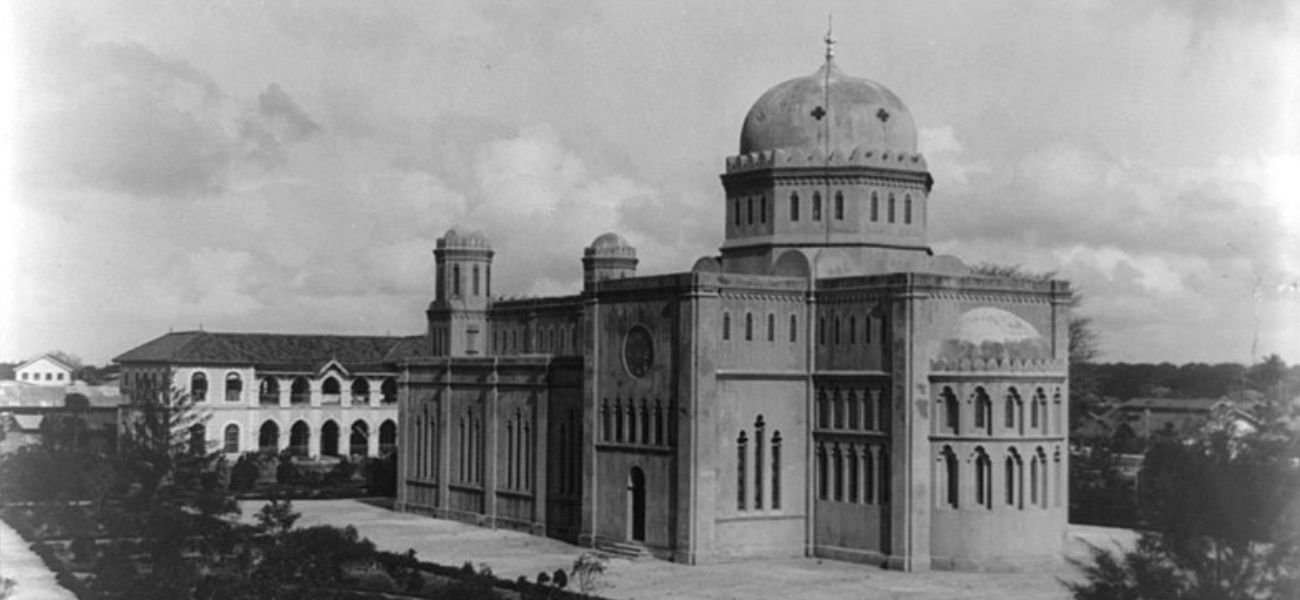
It is from the Diocese of Mombasa that all the 38 dioceses of the Anglican Church of Kenya, including one military episcopate, were established. The Diocese covers Mombasa, Kwale and part of Kilifi counties.
A great part of the history of the Anglican Church in Kenya coincides with the history of the Diocese of Mombasa, founded in 1898. This was the starting point of the development of the church in the territory which came to be called Kenya. Previously, the areas had been part of the Diocese of Equatorial Africa, and earlier still the coast missions had been under the jurisdiction of the Bishop of Mauritius. From 1898 the Diocese covered part of Tanganyika (German East Africa) and what was then the East African Protectorate, which, up to 1925, included the area called Jubaland, now part of Somalia. When in 1902 the Eastern Province of present-day Uganda was ceded to the Protectorate, the thriving church in Kavirondo remained under the Diocese of Uganda.
This position continued until 1920, when it was decided to define the Dioceses of Mombasa and Uganda according to national boundaries. At this time the records show a great increase in the number of baptisms, communicants and staff in the Diocese. The Tanganyika part of the Diocese separated off in 1927.
The Diocese of Mombasa was subject to Canterbury until the formation of the Church of the Province of East Africa in May 1960. There had been earlier proposals for an East African Province, but there had been unanimous and informed objections from African Christians, who feared that a local church, cut off from the wider sympathies of Canterbury, would be dominated by white interests. The Province became acceptable only after the consecration of four African bishops in Kampala in 1955 (one from Sudan, one from Tanganyika and two from Kenya) and the increasingly confident preparations for political independence in each of the East African countries.
Bishop Reginald Crabbe retired in 1953 and the Rt. Rev. L. J. Beecher became Bishop. It was Bishop Beecher's practice to memorize the words for receiving confirmation candidates into the church in all local languages, and to use them according to the name presented to him by each candidate. In 1960 he became the first (and only) Archbishop of the Province of East Africa. By 1 May 1957 the Rt. Rev. Obadiah Kariuki in Central and Eastern Kenya and the Rt. Rev. Festo Olang' in Western Kenya had moved from being Assistant Bishops in the Diocese of Mombasa to being Suffragan Bishops responsible for their own areas.
Even so, the work of the Diocese was too heavy for three bishops within the given structure, so three new dioceses were created: Maseno, Nakuru and Fort Hall, taking effect in 1961. In 1964 Nairobi also separated, and the Most Rev. Leonard Beecher became Bishop of Nairobi. The former Archdeacon Peter Mwang'ombe was consecrated and installed as Bishop of Mombasa on 12 June 1964. He remained in office until his retirement, and acted as Dean of the Province during the archiepiscopal election in 1979. The Rt. Rev. Crispus Nzano became his Bishop Coadjutor in 1980, succeeded him as Bishop, and served until he retired at the end of 1993.
The Diocese covered the former Coast Province until 1993, when it was divided into Taita Taveta and Mombasa. The Rt. Rev. Julius Kalu was consecrated on 2 January 1994 and became the seventh Bishop of Mombasa, with the Rt. Rev. Lawrence Dena as Assistant Bishop. Bishop Dena served until 24 April 2015, after which he was elected the first Bishop of the newly created Diocese of Malindi. Today the Rt. Rev. Dr. Alphonce Mwaro Baya, the eighth Bishop, heads the Diocese.
The Diocese of Mombasa is founded, the starting point of the Anglican Church in Kenya.
The Church of the Province of East Africa is formed; Bishop Leonard Beecher becomes its first Archbishop.
Archdeacon Peter Mwang'ombe is consecrated and installed as Bishop of Mombasa on 12 June.
The Rt. Rev. Julius Kalu is consecrated on 2 January as the seventh Bishop of Mombasa.
The Diocese is split into Malindi and Mombasa; the Diocese of Malindi is created.
The Diocese has a well-defined management and governance structure that promotes sound stewardship and accountability of financial and pastoral ministry.
The Diocese is headed by the Bishop and is divided into archdeaconries, each headed by an archdeacon, who is a priest. Archdeaconries are further divided into deaneries, parishes and local churches.
The day-to-day operations of the Diocese are carried out under the supervision of the Bishop, who provides oversight through the Vicar General, the Registrar and the Administrative Secretary. Legal custody of the Diocese's property is entrusted to the Church Commissioners of Kenya, and the Diocese has an established legal advisory office.
The Diocese serves both rural and urban communities: the working class, urban youth and professionals in towns, and low-income farmers in rural areas. A strong mission directorate identifies unreached communities and establishes new parishes.
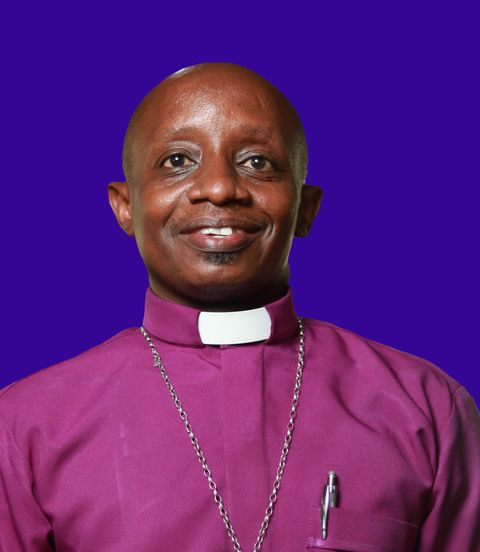
Diocesan Bishop
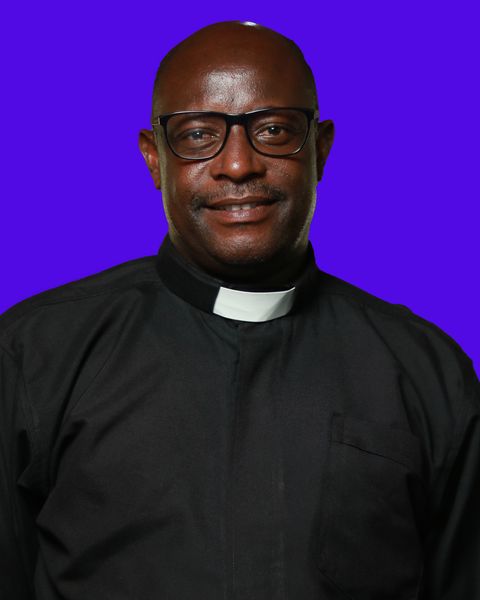
Vicar General
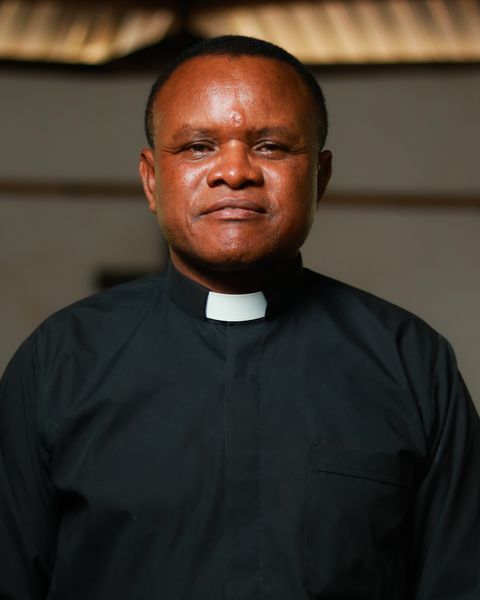
Diocesan Registrar
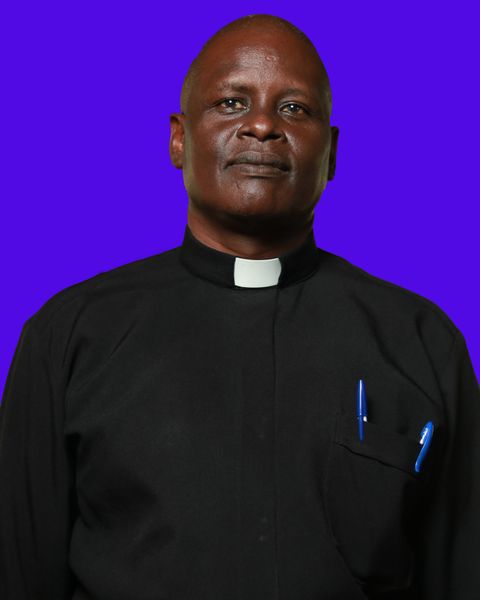
Administrative Secretary
We are committed to work with and exist in a community where we encourage fellowship, uphold the family and embrace unity. We stand in solidarity with those who are marginalized in society.
We are committed to personal integrity and holiness by pursuing Christ-likeness in ministry, teaching sound Biblical doctrine, and a culture of transparency and accountability.
We facilitate deliberate discipleship and stewardship, encourage servant leadership in all areas of ministry and advocate for sustained social action, led by the Holy Spirit.
Servant leaders strengthen the weak, empower those entrusted to their care and show compassion towards the disadvantaged and the lost.
We hold ourselves responsible, commit our way to the Lord and trust in Him. As a Diocese we keep our promises and make promises we can keep.
Teamwork is a cornerstone of every successful ministry: we depend on each other, share ideas openly and work together for the spread of the gospel.
In accordance with Christian principles, we promote equity, access and opportunity. The gospel is for everyone and all are invited to meet Jesus at the cross.
The ACK is referred to as a Church of Order. Planning, discipline and clear priorities make the work of God more effective.
Technology is a tool God has given us, to be used in ways that honour Him and help us love our neighbour.
As the world moves into an Age of Creativity, we use information and technology, including AI, as tools for communication and ministry.
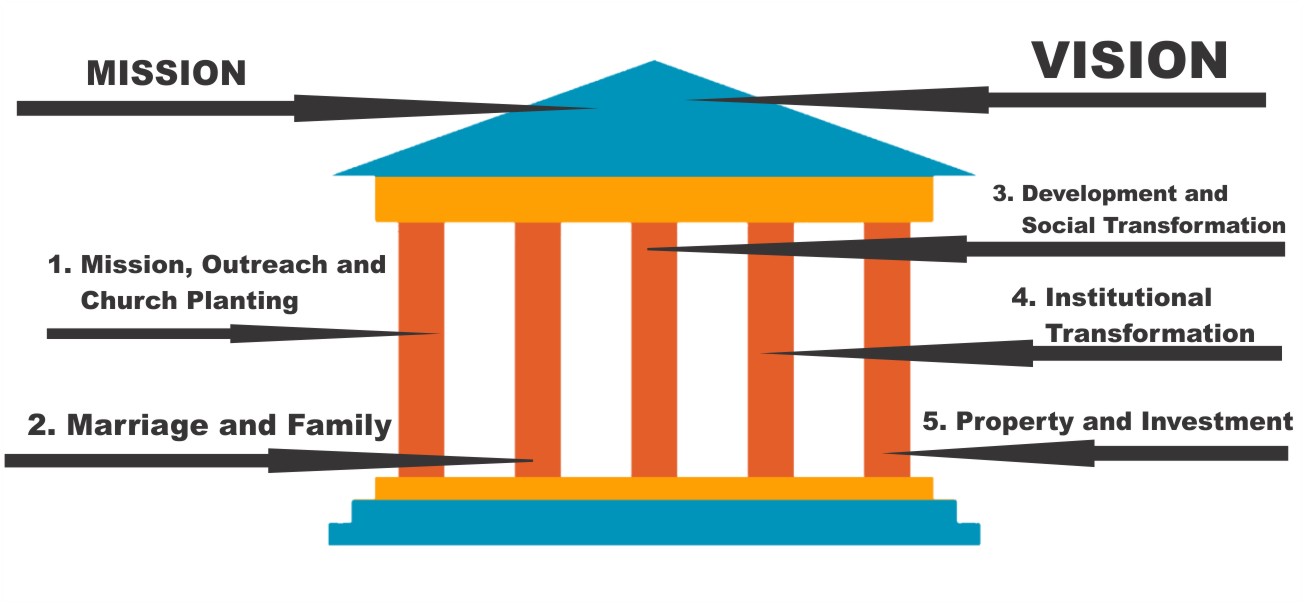
Read the full Strategic Plan, including our goals and priorities for 2025–2029.
Download the Strategic Plan (PDF)You are warmly invited to join your local Anglican church for worship and community life.
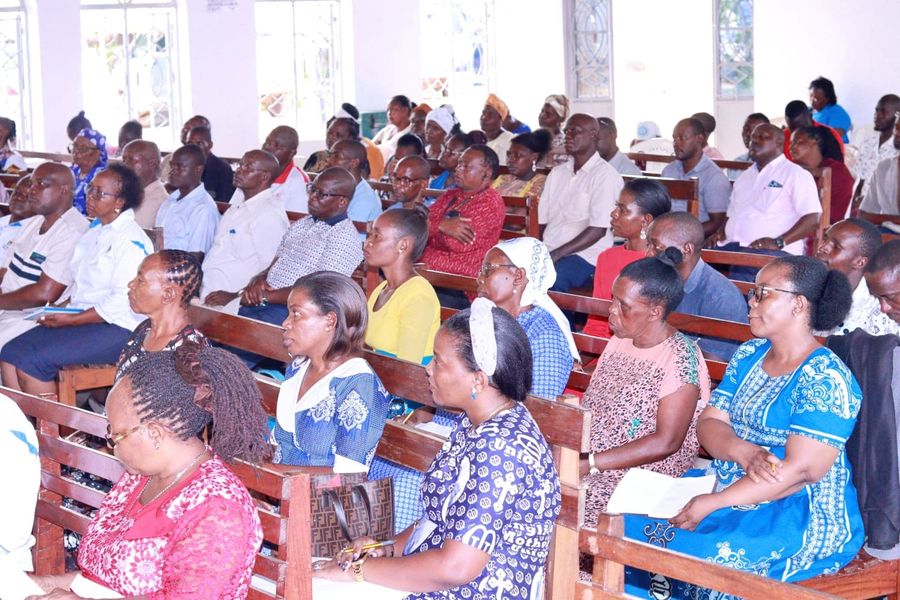
Common prayer is an important part of how we worship together. Our services draw from a rich tradition of set prayers, from the Book of Common Prayer and from modern services (2001). Although each community has its own flavour, there are strong commonalities across all our local churches.
The Eucharist (also known as the Lord's Supper or Holy Communion) is central to many Sunday services, and many congregations also meet for morning and evening prayer and for services through the week. Our worship begins with the gathering of the community, then listening to and reflecting on the Scriptures, bringing the needs of the world to God in prayer, and sharing the holy meal of bread and wine, before being sent out into the mission of daily life.
Services follow the six seasons of the church year (Advent, Christmas, Epiphany, Lent, Easter and Pentecost) and the lectionary. Our churches also offer Christian education, Bible studies, women's and men's groups, youth and children's ministry and community outreach.
Find a Church Near You